What Is a Smash Burger?
A thin, wide patty of loose ground beef pressed hard onto a ripping-hot flat-top so the bottom fuses into a dark, crispy, lacy crust. That crust — not the size of the patty — is the whole point.
The 60-second definition
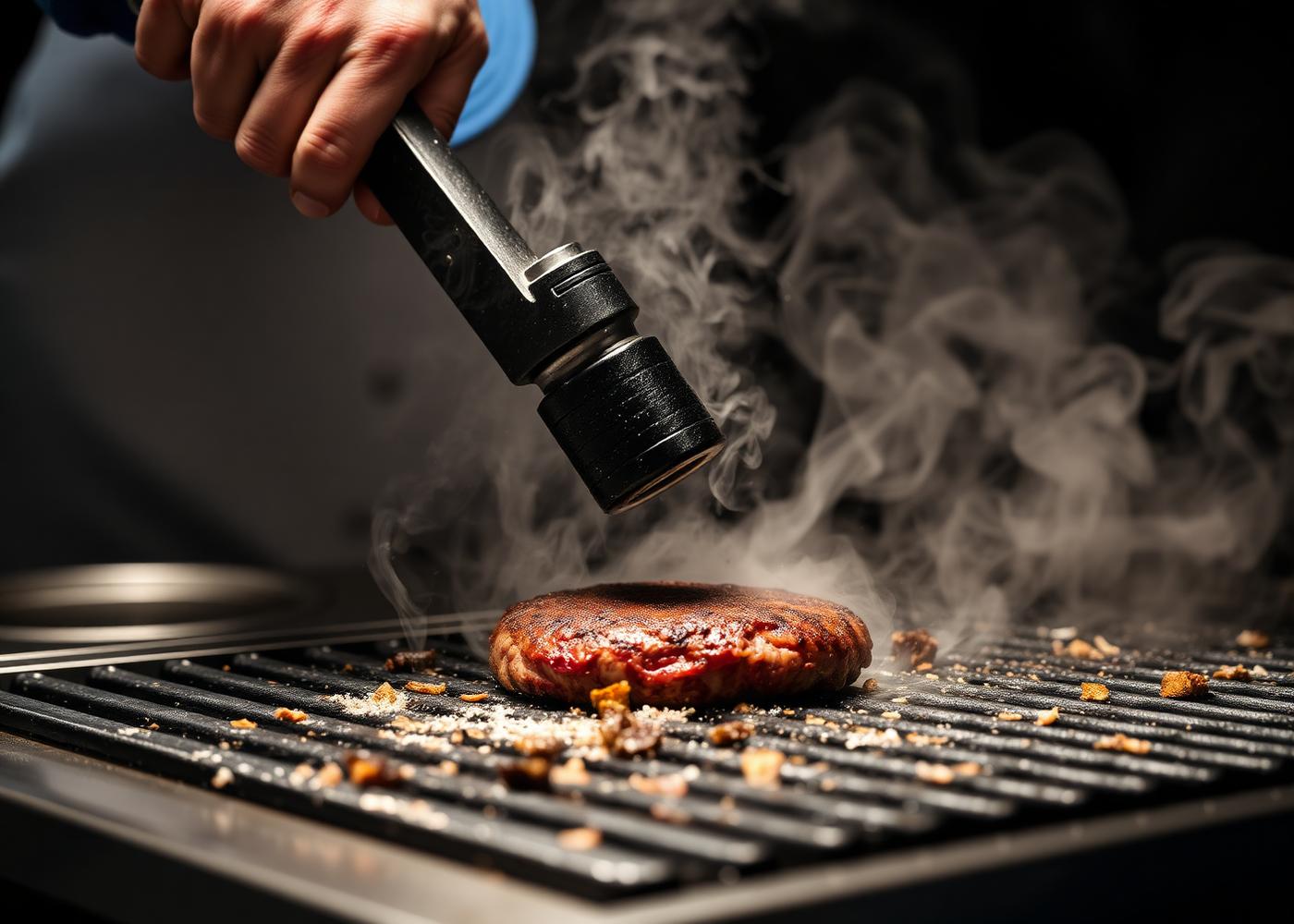
Take a loose 2–3 oz ball of 80/20 ground chuck. Drop it on a 450°F+ flat-top. Within the first ten seconds, press it flat with a stiff metal smasher until it's roughly a quarter-inch thick and the edges go ragged. Cook 60–75 seconds — no touching — until the underside is mahogany-dark and crunchy. Flip once, cheese on immediately, and off the griddle in another 30 seconds. Onto a soft toasted bun. Done.
A short history: from Kentucky diners to a nationwide obsession
The smash burger isn't new. Cooks were pressing meatballs flat on hot griddles at drive-ins and diners across the American Midwest as far back as the 1940s and '50s — Dairy Cheer in Kentucky is one of the most-cited origins, with a bean can reportedly used as the original smasher. The technique spread quietly through regional burger joints for decades: Steak 'n Shake in the Midwest, Solly's in Milwaukee, Freddy's, and countless roadside spots kept the style alive.
The modern "smash burger" moment came in the 2010s, when chefs and food writers — notably J. Kenji López-Alt at Serious Eats — started explaining why the technique works so well. Once people understood the science, the style exploded: from Shake Shack's cult following to Smashburger the chain, to a wave of independent smash-focused shops (like us) across North America.
Why smashing actually works (the Maillard part)
Deep flavor in cooked beef comes from the Maillard reaction — a cascade of reactions between amino acids and sugars that only really takes off above about 300°F (150°C). A thick pub patty spends most of its time steaming in its own juices; only a thin band of the outside ever gets brown.
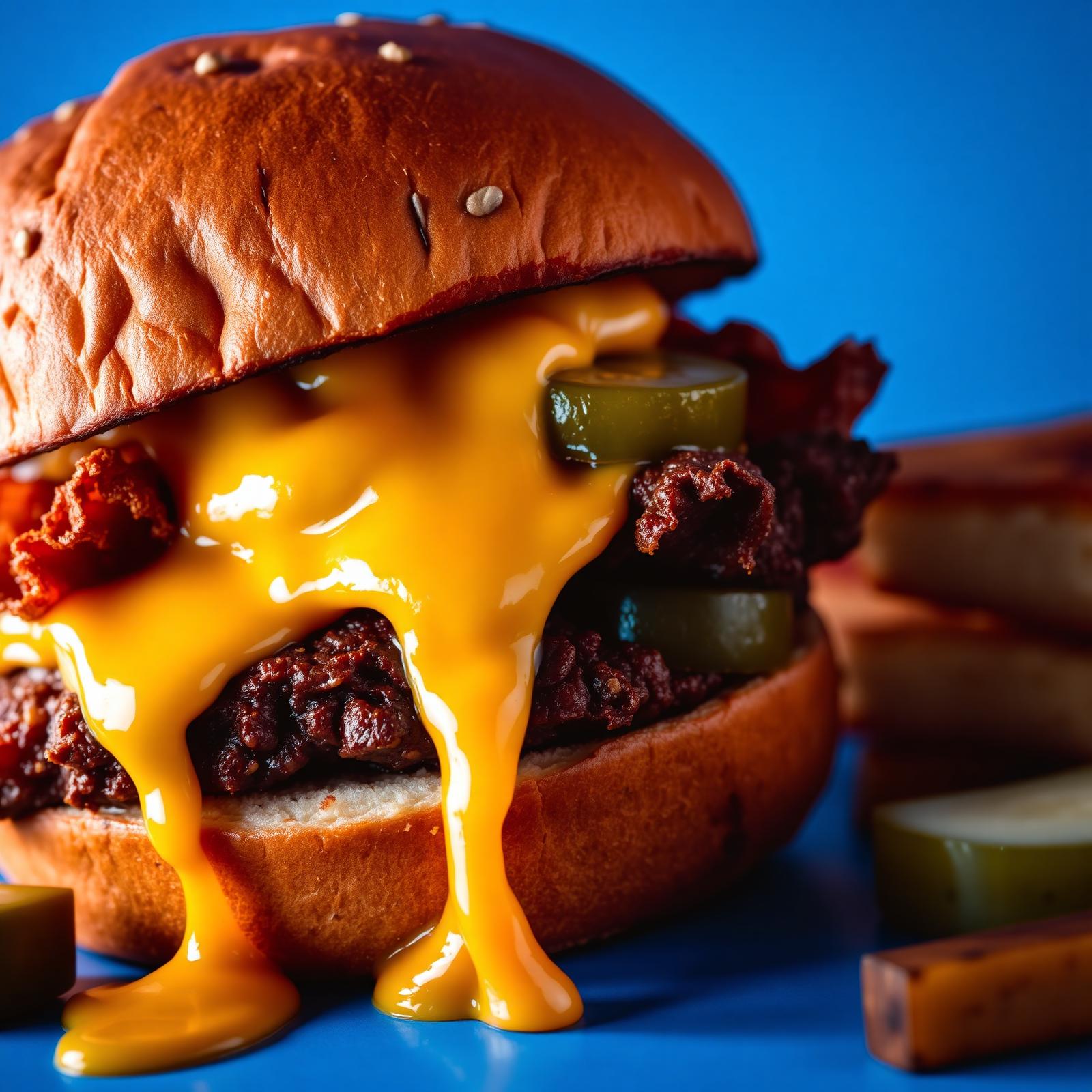
Smashing changes the geometry. When you flatten a loose ball onto a 450°F griddle, you double or triple the surface area touching the metal and you make the patty thin enough that the heat rockets through it in under a minute. The result: almost the entire underside becomes crust. That's where the flavor is. The ragged, lacy edges are basically pure Maillard — the tastiest bite on the burger.
The lacy edge: our technique at Smashed Patty
- Fresh, never frozen 80/20 chuck. Ground the same day, rolled into loose 2.5 oz balls. We never pack them tight — a loose ball spreads with more ragged edges.
- Screaming-hot flat-top. 475°F, wiped clean between each round. A cold griddle steams; a hot one crusts.
- One smash. Hard. Fast. Stiff metal smasher, parchment between the beef and the press, count of three. If you smash twice, you squeeze the juice out.
- Salt only after the smash. Salting the ball before smashing tightens the proteins and kills the lace.
- Don't touch it. 60–75 seconds untouched so the crust locks in. When you scrape it up, every lacy bit comes with it.
- Cheese on the flip. American cheese, one flip, melt with a steam dome for 20 seconds.
- Soft toasted brioche. Butter-toasted on the same flat-top, so the bun soaks up all the beef fat. That's the finish.
Smash burger vs. pub burger — what's the difference?
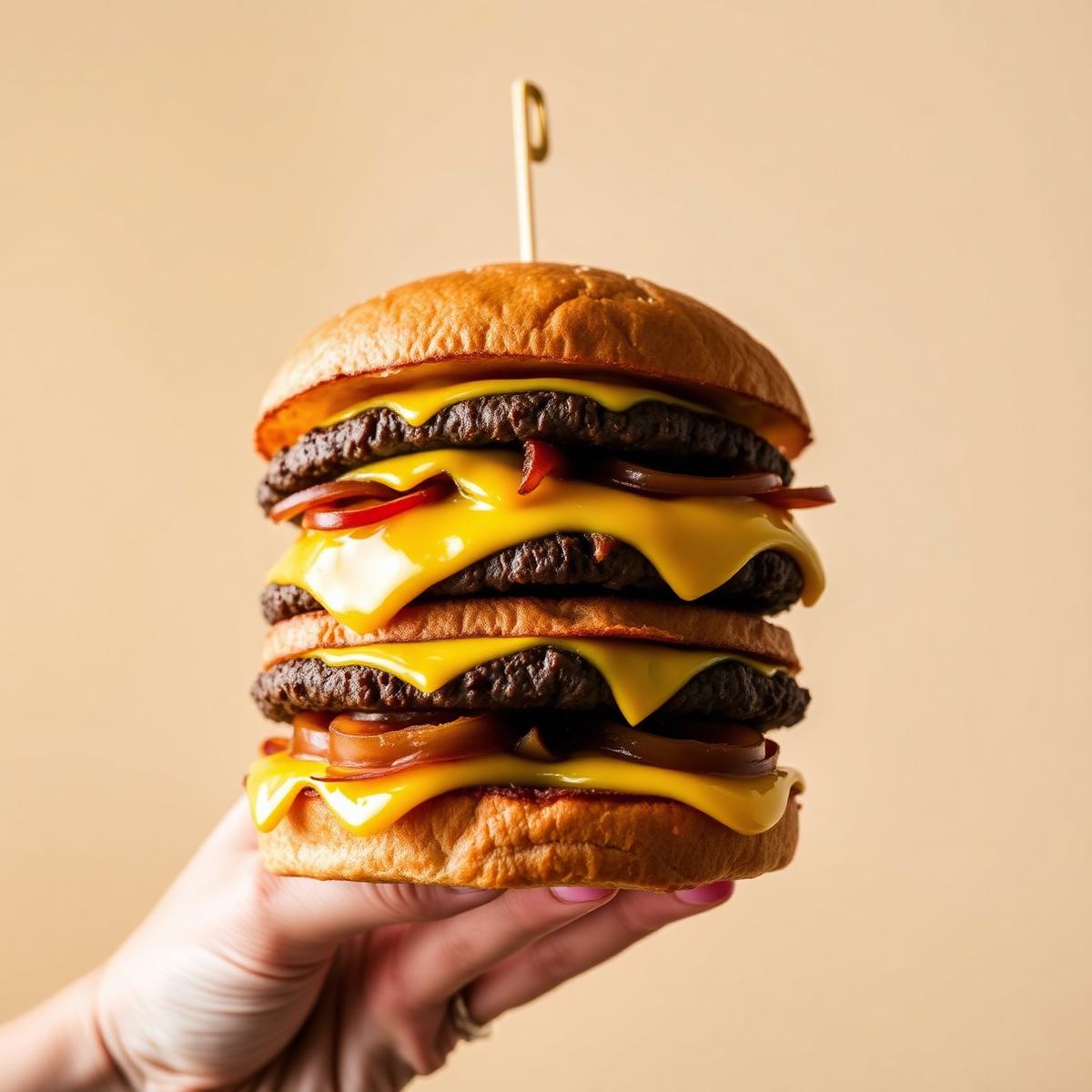
A pub burger is usually a thick (6–8 oz) patty cooked to a specific internal temp — medium, medium-rare — so the appeal is the juicy pink center. A smash burger is the opposite: a thin (2–3 oz) patty cooked fast and hot, where the appeal is the crust. Neither is "better." They're different foods that happen to share a bun. If you want two patties of flavor for the price of one steak-thick puck, go smash. If you want medium-rare, don't smash.
Frequently asked
Are smash burgers well-done?
Technically yes — they're too thin to serve any other way — but because they cook in under 90 seconds, they don't dry out. The crust seals in the juices before the inside has time to overcook.
Can I make a smash burger at home?
Yes. Cast iron skillet, preheated 5+ minutes on high until it's smoking a little. Loose 2 oz ball. Parchment over the top, press flat with a heavy pan bottom. Same rules apply: don't smash twice, salt after, don't touch it.
Why does the double taste better than the single?
Two thin patties = twice the crust area, but not much more beef volume. You're doubling the tastiest part of the burger without doubling the weight.
Skip the cooking. Come get one.
Smashed Patty opens July 25, 2026 in Newmarket — plus our Milton and Mississauga locations serving lacy-edged smash burgers every day.
See the menu →